

SEO enables websites to rank higher in search engines, generating steady organic traffic without incurring the cost of advertising. Through keyword optimization, better content, and user-friendliness, companies become more visible. With superior SEO strategies, brands lure targeted traffic, gain credibility, and realize sustainable online growth.
SEO is instrumental in making websites receive steady organic traffic independent of paid advertising. By ensuring website architecture, optimizing content quality, and incorporating relevant keywords, SEO makes search engines such as Google comprehend and place pages in higher positions in search results. This added visibility leads to more targeted visitors who are actively seeking products, services, or information. SEO is also concerned about the user experience using quick loading, mobile friendliness, and simplicity of navigation. With potent SEO strategies like link building and technical optimization, companies are capable of sustaining long-term development, increased engagement, and enhanced online trust worthiness.
Why Businesses Fail to Get Organic Traffic

Companies usually do not receive organic traffic as they do not have a well-defined SEO strategy, neglect keyword research, and come up with low-value content. Slow websites, poor technical SEO, and no link building also hinder rankings. With no regular updates, analytics, and knowledge of search intent, their visibility dwindles, and competitors get the attention.
Most companies fail to achieve organic traffic as they do not have a sound SEO plan and just make random content posts. Ineffective keyword targeting does not allow sites to show up in matching search queries, while ineffective technical SEO like slow performance, dead links, or missing meta tags harms visibility. Some companies neglect authoritative backlinks, which are key to establishing authority. Others do not maximize content for user experience, and this leads to high bounce rates. Irregular updates and old SEO methods also lower rankings gradually. Without monitoring performance and adjusting to algorithm updates, companies lose considerable opportunities for long-term organic traffic growth.
No Strategy, Only Random Actions
One of the primary reasons why companies do not develop organic traffic is that they implement random activities without an effective SEO plan. They write content without keyword research hoping for instant results. Rather than studying their audience and competitors, they guess. Most neglect vital SEO techniques such as on-page optimization, internal linking, and content scheduling. Without defined goals, content becomes sporadic and does not fulfill search intent. Search engines require organized, intentional signals to rank pages — not disjointed efforts. When companies approach SEO as a singular task instead of a thoughtful, continuous process, they’re essentially wasting time and forfeiting actual growth prospects.
Expect Fast Results Without Effort

Most companies expect SEO to provide quick returns with little effort, but such an attitude leads to failure. SEO is a long-term game that needs persistent optimization, content renewal, and link creation. Search engines don’t get to judge authority and trust overnight. When companies expect immediate traffic like pay-per-click ads, they lose patience very soon and discontinue spending. They ignore technical enhancements, analytics, and competitor research — all for growth. Quitting too soon makes rankings fall before they have even risen. SEO success stems from persistence, patience, and continuous optimization, not in being overly optimistic or taking shortcuts.
Keyword Research for SEO Success
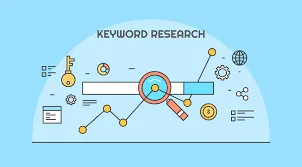
Keyword research is the key to SEO success since it makes businesses aware of what their target audience is looking for on Google and other search engines. By finding the correct keywords, you can write content that best fits user intent and brings qualified traffic to your website. Good keyword research involves examining search volume, competition level, and keyword difficulty to select terms that can possibly rank.
Long-tail keywords are particularly critical as they are more targeted, easier to rank for, and draw in customers who are nearer to conversion. Tools such as Google Keyword Planner, Ahrefs, and SEMrush assist in finding worthwhile opportunities. Competitor ranking checking and ranking for terms competitors are targeting effectively are also needed.
After choosing keywords, they need to be used naturally in titles, headings, URLs, and content for better visibility without keyword stuffing. Based on an appropriate keyword research strategy, companies can enhance their search presence, generate long-term organic traffic, and remain ahead of the curve.
Why Keyword Research Matters
Keyword research is important because it helps get your content in front of the right people at the right time. By knowing what the users are looking for, you can produce pages that answer their questions directly, which means higher visibility and engagement. Without keyword research, companies end up targeting irrelevant or low-search terms, which means terrible rankings and little traffic.
Solid keyword planning illuminates high-value opportunities, reinforces search intent, and uncovers trending topics ahead of the competition. It directs your entire content strategy — from headlines and URLs to internal linking and metadata. By naturally using the correct keywords, search engines can easily comprehend and rank your content more highly. Briefly, keyword research guarantees that all content you publish has a definite purpose and solid ranking potential.
On-Page Optimization for Better Visibility
On-page optimization is necessary for enhancing website visibility and making your content easy for search engines to understand. On-page optimization emphasizes optimizing the structure and elements of every page so your intended audience can easily locate your website while searching. Putting primary and secondary keywords organically in titles, headings, meta descriptions, and the beginning of 100 words indicates relevance to Google.
Clean URLs, internal linking, and good formatting — such as bullet points and well-organized paragraphs — enhance readability and user engagement. High-quality images with optimized alt tags also enhance indexing and accessibility.
User experience is important in on-page SEO. A mobile-friendly design, speedy loading, and easy navigation retain users on the page for longer, minimizing bounce rates and increasing ranking potential.
Moreover, the usage of schema markup facilitates search engines to show rich snippets, resulting in higher click-through rates. By adding relevance, clarity, and user-centric optimization, companies can reinforce their search engine positions and develop long-term organic traffic improvement.
Key On-Page Optimization Practices
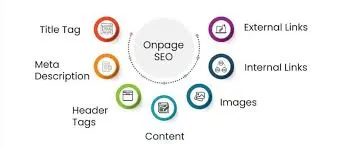
Proper on-page optimization is to enhance the structure and content of every web page such that search engines are able to clearly grasp its intent. The first important practice is to utilize appropriate keywords in titles, meta descriptions, headings, as well as the introductory paragraph. The content should be informative, organized, and in sync with user search intent.
Internal linking directs users to similar pages and assists in spreading authority throughout the site. Image optimization with descriptive alt tags enhances accessibility and assists in getting images into search engine result rankings. Short and descriptive URLs also assist search engines in understanding.
Together with this, readability with bullet points, short paragraphs, and interactive graphics encourages visitors to stay on the page longer. Having a smooth mobile experience and quick load time increases page performance and rankings even more.
Technical SEO: Fix Hidden Performance Issues
Technical SEO involves optimizing behind-the-scenes organization of your website so that search engines can crawl, index, and rank your pages with maximum efficiency. Even with excellent content, unseen technical problems—such as slow-loading pages, broken links, or a poor mobile experience—can prevent your site from ranking well on search engine results.
Technical SEO key aspects involve speeding up website optimization, implementing HTTPS security, resolving crawl errors, and generating an XML sitemap so search engines can crawl all pages easily. Proper site architecture makes users and search bots quickly locate significant content.
Mobile responsiveness is necessary today since most users access on their mobile phones. Sites also need to compress images, provide browser caching, and optimize Core Web Vitals to provide a seamless browsing experience.
Technical SEO also entails eliminating duplicate content, optimizing URL structures, and using schema markup to enhance visibility in rich search results. When the technical infrastructure is in place, organic traffic increases faster, which provides improved outcomes from every effort of SEO.
Key Areas of Technical SEO
Technical SEO involves optimizing the backend of a website so that search engines are able to crawl, index, and comprehend pages effectively. Site speed optimization is one important area, involving compressing images, minimizing code, and supporting caching for delivering faster speeds. Mobile responsiveness is also an important aspect, making sure the site functions efficiently on any device.
A tidy and well-structured site structure with good internal linking aids search bots in easy navigation and indexing of crucial pages. Resolving broken links, redirect problems, and duplicated content avoids indexing issues.
Generating and maintaining XML sitemaps and robots.txt enable search engines to find applicable content without ambiguity. Furthermore, using HTTPS security enhances trustworthiness and ranking potential. These technical enhancements fortify visibility and aid long-term organic growth.
Improving Search Engine Rankings with Authority & Relevance
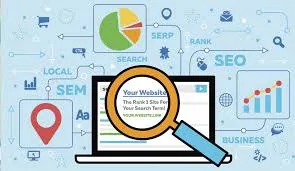
Boosting search engine results relies on two big factors: authority and relevance. Authority indicates to Google that your website is credible and authoritative, whereas relevance tells Google that your content exactly aligns with what users are looking for. In order to establish authority, websites require solid backlinks from authoritative sites, regular publishing of content, and positive user interactions.
Relevance results from properly researched keywords, quality content, and on-page optimization. Each page must answer user intent in simple terms and deliver value over others. Structured headings, internal linking, and current information make it easier for search engines to understand context.
Websites that provide a great user experience — quick speed, mobile-responsiveness, and clear navigation — are favored by search engines. Schema markup also improves ranking chances by making rich results possible.
Keeping an eye on analytics, checking ranking performance, and changing content routinely keep your pages new and competitive. When authority and relevance unite, websites get greater visibility, improved rankings, and ongoing organic traffic increases.
Content Marketing for SEO in Driving Organic Traffic
Content marketing is a strong SEO tool since great content brings in readers, solves their problems, and establishes trust with your site visitors. Search engines rank websites that offer quality and useful information highly, so high-quality content is crucial to ranking achievements. When you produce blogs, articles, videos, and guides that you derive from keyword research, your content shows up in related search results and generates steady organic traffic.
SEO-driven content should be comprehensive, readable, and optimized using headings, keywords, and internal links. Refreshing old content keeps search engines coming back to your website and ensures accuracy. Adding images like infographics and attractive pictures enhances user interaction and time spent on the page.
In addition, shareable content invites backlinks from quality sites, increasing domain authority and ranking potential. Informing users through solutions to actual problems builds a return audience that keeps coming back. Good content marketing combined with SEO has the ability to change visibility, draw qualified leads, and drive long-term business growth.
Link Building Strategies for Online Authority
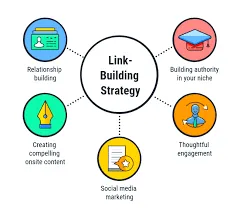
Link building is among the most powerful SEO tactics for expanding online credibility and search engine rankings. When other credible websites reference your content, search engines consider your site credible and valuable. Backlinks are “votes of trust,” causing your pages to rank higher on competing keywords.
Successful link building starts with publishing high-quality, shareable content like guides, statistics, infographics, and expert opinions. Outreach is also necessary — engaging bloggers, industry publications, and influencers can result in quality backlinks. Guest blogging is another effective method of acquiring links while reaching new people.
Internal linking also serves to spread power throughout your own website and improve user navigation. Steer clear of spam or paid links since they can damage rankings rather than enhance them.
Through the constant emphasis on ethical link-building techniques and quality relations, companies can build domain authority, raise awareness, and drive more organic traffic in the long run.
Smart Link Building Strategies
Intelligent link building concentrates on acquiring authoritative backlinks that build credibility and search rankings. Some of the greatest strategies include creating valuable content others will naturally want to link to, like research statistics, how-to articles, or infographics. Outreach to industry blog sites and journalists can also acquire solid backlinks via guest posts or feature mentions.
Establishing relationships via social media and joining specialized forums brings organic linking opportunities as well. Don’t forget about internal linking — joining corresponding pages enhances navigation and balances authority within your website.
Conclusion: SEO is the Smartest Way to Grow Long-Term
SEO is still the most intelligent and affordable digital marketing strategy for long-term progress. It doesn’t only drive traffic — it drives users already looking for what your business is selling. By putting emphasis on keyword research, on-page optimization, technical enhancements, quality content, and robust link-building practices, SEO allows you to rank higher and achieve visibility that persists.
As opposed to paid advertising that ends when the budget does, SEO keeps on generating value month in and month out. It gains authority, trust, and credibility with search engines and users. The more optimized your site is, the more you enjoy ongoing organic traffic and quality leads.
SEO is not a quick fix — it takes patience, persistence, and ongoing learning. But for companies focused on long-term achievement, SEO provides lasting results, competitive edge, and limitless growth potential Want more details? Visit the full blog below. The Ultimate Guide to the Top 5 Best Email Marketing Services in 2025