
Are you investing time and effort into creating content, yet failing to appear on the first page of Google? The bitter truth is that your website may be suffering from some hidden SEO mistakes. From slow page loading and poor mobile optimization to poor keyword strategies and thin content, these mistakes quietly bring down your ranking and organic traffic. Most businesses don’t address these important issues and believe that content creation alone will suffice. In this guide, we reveal common SEO mistakes, highlight pain points frustrating site owners, and disclose two unique strategies your competitors rarely use in order to improve search performance in the year 2025.
Table of Contents
1.Introduction
2.Ignoring Mobile Optimization
2.1 Importance of Mobile-Friendly Design
2.2 High Bounce Rates from Mobile Users
3.Keyword Stuffing and Wrong Keyword Targeting
3.1 What is Keyword Stuffing?
3.2 How to Target Keywords Effectively
3.3 Targeting Wrong Keywords Wastes Effort
4. Slow Page Speed and Technical Errors
4.1 Effects of Slow Loading Pages
4.2 Tools to Improve Page Speed
5. Poor Internal Linking Structure
5.1 Why Internal Links Matter
5.2 How to Build a Strong Internal Linking Strategy
6 .Duplicate Content Issues
6.1 How Duplicate Content Hurts SEO
6.2 Methods to Avoid Duplication
7.Next-Level SEO Strategies for Higher Rankings
7.1Optimizing for User Intent
7.2 Implementing Semantic SEO
8.Conclusion
1. Introduction
Are you doing everything you can to grow your website, yet still not see your pages rank on Google? You’re not alone. Many website owners create good content, yet miss small SEO details that silently hurt their visibility. Slow loading speed, outdated tactics, wrong keywords, and weak page structure are some common issues that stop Google from trusting your site. The good news is, all these mistakes are pretty easy to fix once you understand what’s actually holding you back. In this guide, we will point out the biggest SEO mistakes and show you smarter strategies to improve your rankings in 2025.
2 .Ignoring Mobile Optimization
The biggest reason why websites will lose Google rankings in 2025 is by ignoring mobile optimization. More users browse on phones today, and Google rewards that with mobile-first indexing. Visitors leave your website in a matter of seconds if it loads poorly on mobile devices, broken layouts, very tiny text, and inadequately sized buttons that become difficult to tap. A badly optimized site also tells Google that one’s content does not provide an excellent user experience. This includes a fast-loading website, adaptability to different screen sizes, and smooth navigation. Mobile optimization is no longer optional; it’s absolutely mandatory.
2.1 Importance of Mobile-Friendly Design

In 2025, mobile-friendly design plays an important role, as the majority of users browse, shop, and search directly from their smartphones. A mobile-optimized website will load faster, be easier to navigate, have readable text, and allow for smooth interaction – all combining to create a better overall user experience. Since Google uses mobile-first indexing, if a website is not mobile-friendly, that automatically cuts its visibility and rankings. A responsive design also reduces bounce rates because users stay on longer when the site works on smaller screens. Quite simply, a mobile-friendly website builds trust, improves engagement, and keeps your business competitive in Google search results.
2.2 High Bounce Rates from Mobile Users

High bounce rates from mobile users normally come from a slow-loading website, confusing navigation, or a site that doesn’t fit on mobile devices. When people encounter problems like tiny text, overlapping elements, or buttons that don’t work, they leave within seconds. This fast exit tells Google that your site isn’t providing a good user experience. The result is that your rankings drop, along with your engagement, especially on mobile. poor mobile experience can effect your website and the user move quickly so you increasing bounce rates instant.
3 .Keyword Stuffing and Wrong Keyword Targeting
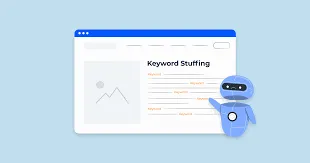
Keyword stuffing and wrong keyword targeting are major mistakes in SEO that will cause much harm to your rankings in 2025. When businesses try to force too many keywords onto one page, the content becomes unnatural to read. Google catches onto that rather easily and may lower the visibility of that page. Wrong keyword targeting is equally dangerous because you might end up ranking for terms your audience never searches, hence low traffic and poor engagement. Instead of guessing keywords, focus more on user intent, long-tail keywords, and search-friendly topics. Place keywords naturally in headings, paragraphs, and image alt text. Smart targeting of keywords builds up trust with both Google and readers, helping to give your website a higher ranking and bringing the right audience to you.
3.1 What is Keyword Stuffing?

Keyword stuffing is a process in which a given webpage is overloaded with unnecessary amounts of keywords in an attempt to manipulate Google rankings. Instead, this only makes the content look unnatural, repetitive, and hard for users to read. Google now detects keyword stuffing easily and may lower your rankings or even penalize your site. Modern SEO emphasizes natural placement of keywords, meaningful content, and matching user intent rather than repeating the same terms redundantly.
3.2 How to Target Keywords Effectively

The process of effectively targeting keywords starts with understanding user intent and researching what your audience is actually searching for. Pick relevant long-tail keywords that match your content topic and provide clear value to them. They should be used naturally in headings, meta tags, and within your paragraphs-but not overused. Analyze the competitor pages, check the search volume, and focus on creating high-quality content that actually answers real questions. This helps in improving the ranking and attracting the right audience.
3.3 Targeting Wrong Keywords Wastes Effort

Poor targeting of keywords simply results in wasting time, effort, and resources by building content that does not conform to the query your audience searches for. Even if you manage to rank, the traffic from such would not convert or engage, resulting in low click-through rates, poor user signals, and poorly performing SEO. Choosing the right keywords ensures your content aligns with user intent and attracts visitors genuinely interested in your topic or services.
4.Slow Page Speed and Technical Errors
The most critical SEO issues, including slow page speed and technical errors, will heavily affect your Google rankings in 2025. Slow-loading websites drive users mad and bring about higher bounce rates and decreased user engagement. Technical errors such as broken links, missing meta tags, duplicate content, and wrong redirects further mislead search engines in crawling and indexing your site properly. Well-written content can never work properly if there is some issue with the core performance of the website. To fix these problems, enable caching, minify code, optimize images, and carry out routine audits of your site to identify technical issues. The faster and error-free your site is, the more it improves not only user experience but also the trust and rankings that Google gives your site.
4.1 Effects of Slow Loading Pages

If the pages load slowly, visitors get frustrated and leave the site before the content has finished loading; this increases bounce rates and leads to lower engagement. This poor user experience informs Google that your site is of low quality, which negatively impacts the search rankings. Furthermore, slow pages will lead to lower conversion rates, damage to your brand reputation, and hurt mobile users the most. Optimizing the speed of the page is crucial in retaining visitors to increase overall SEO performance.
4.2 Tools to Improve Page Speed

Some of the tools will definitely help in enhancing your website’s page speed and overall performance. Google PageSpeed Insights will analyze your site and give recommendations that are actionable. GTmetrix will provide in-depth information about load times and bottlenecks, while Pingdom will help test speeds in different locations. To optimize, plugins such as WP Rocket or Smush compress images and allow visitors to enable caching. These tools used regularly mean faster loading, a better user experience, and improved SEO rankings.
5 .Poor Internal Linking Structure
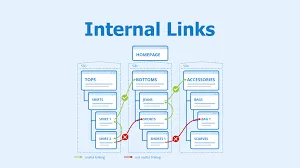
A poor internal structure of links can really hurt the SEO of your website along with hampering user experiences. Internal links help search engines know the hierarchy of a site, effectively distribute page authority, and index pages accordingly. If links are missing, broken, or placed in an arbitrary manner, search engines will have difficulty crawling your site, which could leave key pages invisible in search results. Users may have a hard time navigating the site, increasing bounce rates and lowering engagement. Effective internal linking helps guide visitors to relevant content, keeps them longer on your site, and boosts conversions. For optimization, use descriptive anchor text, link to relevant pages naturally, and audit your site for broken or outdated links on a regular basis.
5.1 Why Internal Links Matter

Internal linking is vital both in terms of SEO and in terms of user experience. It shows the search engines where your site structure begins, aids in distributing page authority across your website, and indexes the pages more effectively. For the visitor, internal links point them to related content, keeping them on your site longer and boosting time spent. A good internal linking strategy boosts navigation, cuts bounces, and raises the visibility of important pages in search.
5.2 How to Build a Strong Internal Linking Strategy

In order to establish a good internal linking strategy, create a structure map of your website; identify the key pages you want to link to. Use descriptive anchor text that naturally fits the content and links to relevant pages. Newer content should link to older, high-authority posts to pass along the link equity. Perform audits of your site regularly to fix broken links and remove irrelevant links. A well-planned strategy enhances overall navigation, SEO rankings, and user engagement.
6 .Duplicate Content Issues

Duplicate content exists when identical or very similar content shows up on more than one page of your website, or even across different websites. It can mislead the search engines by creating uncertainty regarding which version is to be ranked. Consequently, it may lead your pages to lose visibility, traffic, and authority. Duplicate content can be caused by URL variations, printer-friendly pages of content, or content copied from other sites. To resolve it, you should canonicalize your tags, apply 301 redirects, and systematically publish fresh and quality content. Fixing duplicate content issues will promise better indexing, protect your SEO efforts, and enhance your website’s credibility and ranking in search engines.
6.1 How Duplicate Content Hurts SEO

Duplicate content could seriously hurt your SEO because it then confuses the search engines as to which page it should rank. It dilutes link authority, splits traffic, and reduces overall visibility in search results. It may also lead to users not engaging or trusting your site because of repetitive information. Regular auditing and resolving duplicate content will assure better indexing, higher rankings, and improved online presence for your website.
6.2 Methods to Avoid Duplication
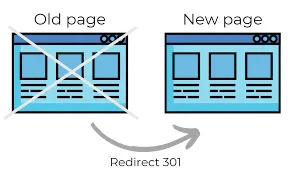
Because one doesn’t want duplication, every page should have unique, high-quality content. Apply canonical tags to show the desired version; use 301 redirects for outdated URLs, and do not copy any content from other websites. Audit your website on a regular basis for any duplicate pages and maintain consistent URL structures. These practices offer protection for SEO optimization and improve your search engine rankings.
7 . Next-Level SEO Strategies for Higher Rankings
Next-level strategies for SEO are important in your journey to higher Google rankings in 2025. You should focus on creating topic clusters that organize content in main themes, help improve user experience, and enable better crawlability. Leverage AI-assisted tools to optimize your content, identify keyword opportunities, and analyze competitors. Improve user engagement by incorporating interactive elements, fast page load times, and mobile-first design. Organize your content with structured data to improve visibility through rich snippets. Furthermore, securing authoritative backlinks by emphasizing internal linking and conducting periodic content audits will be helpful. A combination of these state-of-the-art strategies will not just make your website rank higher but also attract the right audience, increase traffic, and boost conversions.
7.1 Optimizing for User Intent

Optimizing for user intent involves the creation of content that answers exactly what is being searched for. By realizing whether they seek information, comparison, or purchase, you can tailor your pages accordingly. Matching the intent with the content improves engagement and reduces bounce rates, consequently signaling to Google that your site provides valuable and relevant results.
7.2 Implementing Semantic SEO

Semantic SEO is implemented by creating content that focuses on topics and context, not just exact keywords. Using related terms, synonyms, and structured data gives search engines a better understanding of your content’s meaning, enhancing relevance and improving rankings; your website will begin to appear in searches for a wider range of user queries.
8 .Conclusion
Avoiding common SEO mistakes will greatly help in improving your Google rankings and overall visibility. Focusing on mobile optimization, using the right keywords, enhancing page speed, and fixing technical issues will make for a smoother user experience and stronger search performance. A properly thought-out internal linking strategy and the removal of duplicate content facilitate search engines’ understanding of your site. By leveraging more advanced tactics such as optimization for user intent and semantic SEO, you can have an upper hand in 2025. Now is the time to begin with a fully dedicated SEO audit, performance analysis using Google Analytics and Search Console, and follow these next-generation strategies religiously. With the right approach, your website can achieve high ranking, increased traffic, and better conversions. Keep learning—check out our next blog Meta Ads in 2025: A Complete Guide to Grow Your Business